
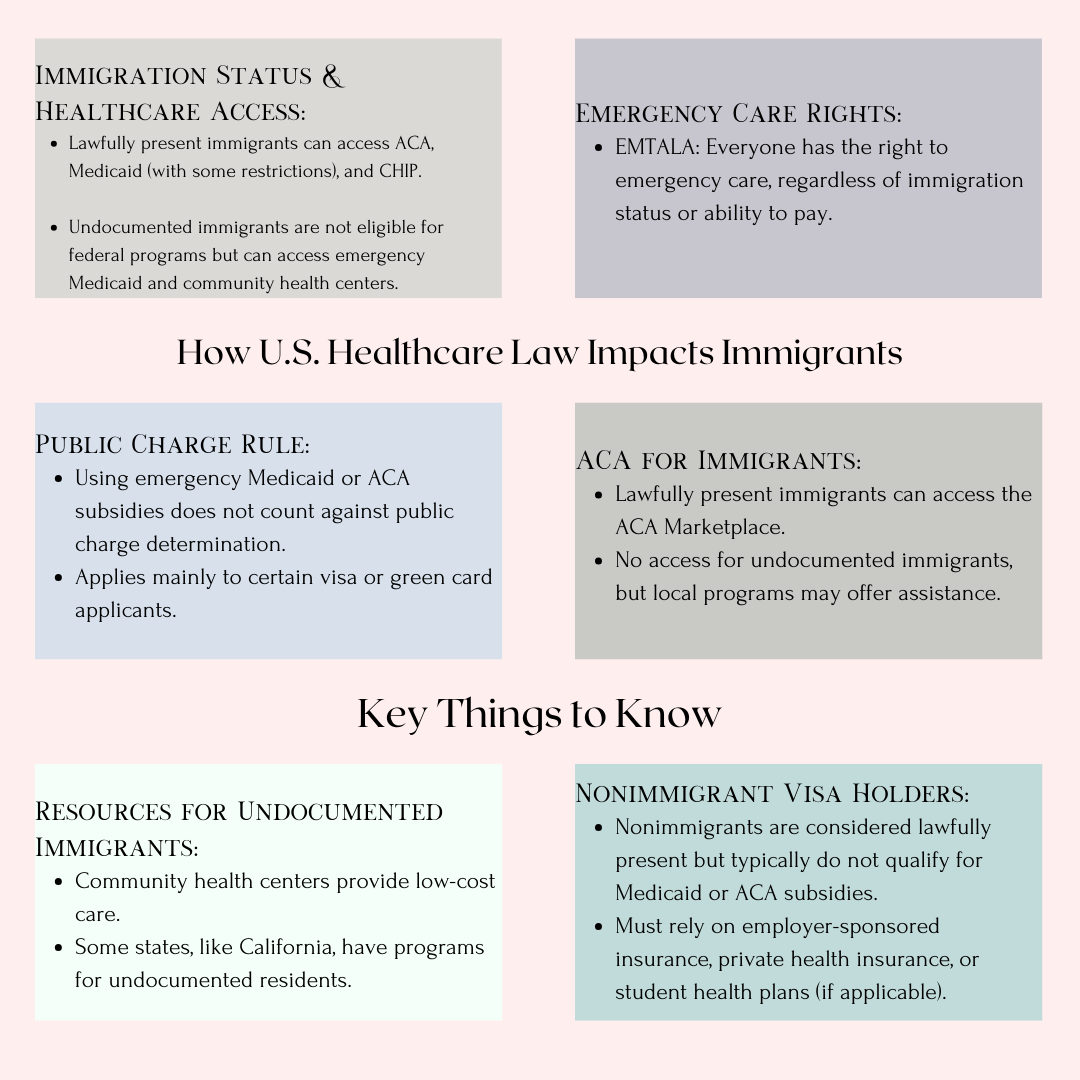
The public charge rule has long been a concern for immigrants considering their healthcare options. Understanding how this rule impacts access to benefits and potential pathways to permanent residency is essential. In this post, we’ll explore what the public charge rule entails and what it means for accessing healthcare.
The Public Charge Rule: What It Is
The public charge rule assesses whether certain immigrants are likely to depend on public benefits. For those seeking a green card or specific visas, being labeled a public charge could result in their application being denied. The benefits considered in this assessment include Medicaid (except in emergencies), food assistance, and housing vouchers.
Exemptions to the Public Charge Rule
While the rule can seem daunting, there are exemptions. Receiving emergency Medicaid, using Medicaid for children or pregnant women, or obtaining ACA subsidies does not count against an immigrant’s public charge determination. It’s essential to know what benefits are safe to use without risking one’s immigration status.
Changes Post-2021
The public charge rule was revised in 2021, making it less restrictive than it was during previous years. However, the lingering fear and uncertainty around using public benefits remains for many. This is why it’s vital to stay informed and consult with an immigration lawyer to understand how current policies may apply to you or your family.
Navigating the public charge rule can be intimidating, but knowing the exemptions and understanding your rights can help alleviate some fears. If you’re in doubt, seek advice from professionals who specialize in immigration law.
Leave a Reply